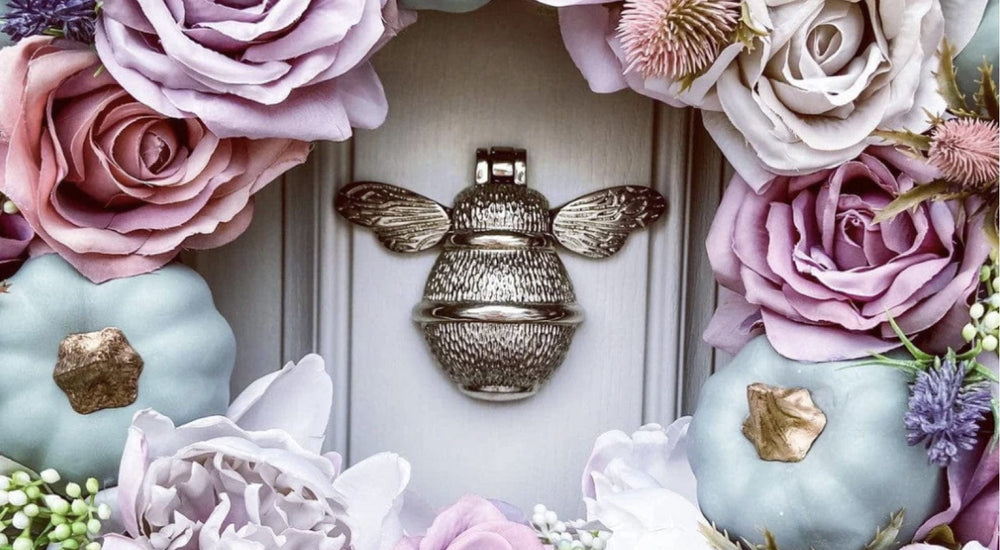
There is a pattern that runs through every well-designed interior, and it goes beyond just the paint colour, the furniture, and the carefully sourced artwork. It is the hardware, the handles that feel right, and the switches that belong. The knocker that makes you pause before you have even stepped inside. At Brass Bee, we know that designers understand this instinctively, while most homeowners discover it far too late.
Creative home hardware is not the last decision. For anyone serious about a design-forward interior, it is one of the first. It shapes the finish palette before a single swatch is ordered. It determines the room's visual temperature before a sofa is chosen. And when it is right, it holds everything else together without asking for recognition.
This is central to any designer hardware strategy, and it is worth understanding.
Why Hardware Comes First in a Considered Design
Most renovation projects begin with the same instinct: paint first, furniture next, hardware when you get to it. It is, not coincidentally, how most homes end up with a beautifully considered kitchen and a plastic socket above the worktop. Experienced designers reverse that order entirely and for good reason. Hardware determines finish, finish determines palette, and palette determines everything else. Starting with hardware is not pedantic; it is efficient.
The practical logic is straightforward. A warm, unlacquered brass handle reads differently from a polished chrome one. Each pulls the room in a different direction, one towards warmth and tactile depth; the other towards cool, sleek precision. Neither is wrong, but committing to one before choosing walls and worktops means every subsequent decision builds on a solid foundation rather than being reverse-engineered.
Our brass hardware range is built to anchor a room's identity, not just complete it. Every piece is a starting point, not an afterthought.
What the Designer Hardware Strategy Looks Like in Practice
Door Furniture: Where the Story Begins
The front door is the first sentence of your home's design story. Designers know this, which is why door furniture, knockers, handles, letterplates, and hinges are selected long before interior decisions are finalised. The finish on the front door sets an expectation. It is carried inside, echoed in handles and hinges, and reinforced in every room that follows.
A thoughtfully chosen brass knocker or handle is not an afterthought; it is a declaration. Made to be noticed from the moment a visitor reaches your front door. Explore our full brass collection to see how front door hardware can become the design foundation for your home.
Switches and Sockets: The Detail That Changes Everything
Still using the switches that came with the house? This is exactly where most interiors lose their coherence, and most homeowners do not notice until the room is otherwise complete. Switches and sockets are present in every room at eye level, touched dozens of times a day. They are impossible to overlook once you start looking, and yet they are routinely left to chance.
Designers do not leave them to chance. A brass switch plate in a kitchen immediately elevates the tone of the cabinetry around it. The same finish repeated in a hallway or living room carries that tone through the home without needing to shout. It is quiet, considered design, and it is precisely the kind of detail that distinguishes a room that feels designed from one that merely feels furnished.
Interior Handles and Hinges: The Quiet Continuity
Interior door handles and hinges are the connective tissue of a home's design language. Swap them across every door on the floor, and the whole space shifts. It requires no structural change, no new furniture, and no repainting. Just the decision to match the finish consistently, from room to room, floor to floor.
The discipline here is restraint. Hardware-first thinking does not mix finishes for the sake of variety; it selects one family and commits to it. Brass throughout reads as intention. Brass in one room, chrome in the next, and something unidentified in the bathroom reads as process. Browse our living room hardware to see what consistent finish decisions look like across a space.
Accent Hardware and Homeware: The Finishing Argument
Once the structural hardware decisions like the doors, the switches, and the handles are in place, the finishing argument begins. This is where accent pieces and quality craftsmanship make the story complete, a brass coat hook in the hallway that mirrors the door knocker outside and a cabinet pull in the kitchen that echoes the switch plate above the worktop. These details are the ones most people skip, and the ones that designers never do.
These are not decorative extras. They are proof that the original decision was right. The homeware collection carries that same thinking into the accent pieces, the hooks, pulls, and small fittings that close the design loop and confirm the finish as a considered choice rather than a coincidence.
The Mistake Most Homeowners Make
It is not a dramatic error. There is no obvious moment where it goes wrong. Hardware gets chosen in a hurry, at the end of a project, when the budget has been spent, and the energy has gone. The result is fine. Fine, as it turns out, is the finish no designer ever specified. Fine is the enemy of consideration.
The finish does not match what came before it. The handle is fine in isolation, but it does not speak the same language as the switches or the hinges. The room communicates inconsistency rather than care, and the feeling is difficult to explain but impossible to ignore. This is the result of treating creative home hardware as a procurement task rather than a design decision.
Extending Creative Home Hardware Throughout Your Home
A designer hardware-first approach does not begin and end with one room. Its whole value lies in consistency. The finish chosen for the front door should reappear in the hallway. The hallway should speak to the living room. The living room should carry the same confidence into the kitchen and bathroom. This is how a home stops feeling like a series of separate decisions and starts feeling like a single, considered design.
At Brass Bee, we design our hardware suites with this whole-home thinking at the centre. Products that work individually, but are conceived to work together across rooms, finishes, and functions. The knocker on your front door and the switch plate in your kitchen are part of the same conversation; they just need to be introduced properly.
Start with the hardware. Let the rest follow. Explore our full brass collection to find the finish that anchors your home.
FAQs
Why do designers prioritise hardware?
Because hardware determines finish, and finish determines everything else. A brass handle or switch plate is not the last decision in a room; it is the first reference point.
It sets the temperature of the space before a single piece of furniture is chosen. Experienced designers know that hardware chosen early gives every subsequent decision a coherent direction to follow.
How early is hardware chosen in design?
In a considered design process, hardware decisions are typically made during or immediately after the initial concept phase, before furniture, lighting, or paint is finalised.
The finish selected for door furniture and switches anchors the palette and informs the material choices that follow. Leaving it to the end is one of the most common reasons interiors feel unresolved despite significant investment elsewhere.
What mistakes do designers avoid?
The most common is mixing finishes without intention: brass in one room, chrome in another, and an unidentified silver in the bathroom. The result is a home that reads as assembled rather than designed.
Designers also avoid selecting hardware as a final purchase when the budget is depleted. Both mistakes share the same root: treating hardware as a practical necessity rather than a design decision.
How does hardware guide style?
Hardware sets the material and tonal register of a space. A warm brass finish pulls a room towards richness, depth, and a sense of considered character. A cooler, sleeker finish moves it in a different direction entirely.
Whichever direction a designer chooses, repeating that finish consistently across handles, switches, hinges, and accent pieces creates a visual through-line that holds the room together and communicates deliberate, confident design.
Final Thoughts
The difference between a room that feels designed and one that merely feels decorated is often a single, overlooked category. Neither the sofa nor the paint, but the hardware. The detail that anchors every surface, occupies every doorway, and is touched by every person who enters.
Designers understand this, which is why they build their hardware decisions early and let everything else confirm them. The interiors feel resolved rather than assembled, and cohesive rather than collected. That is the designer hardware strategy, and it is available to anyone willing to start in the right place.
Explore our brass hardware collection, discover the full brass range, and complete the picture with our homeware collection.