
-
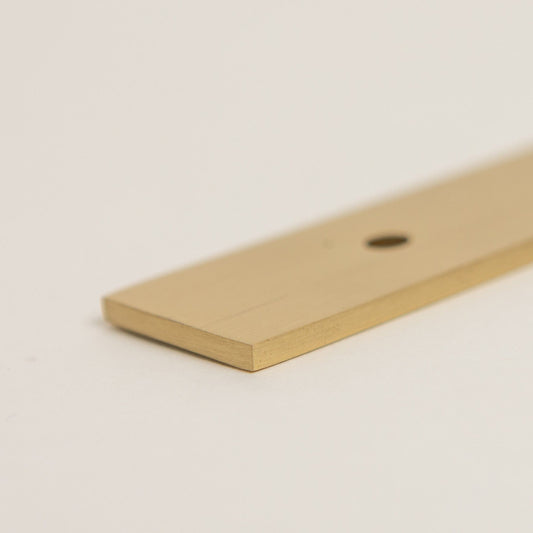
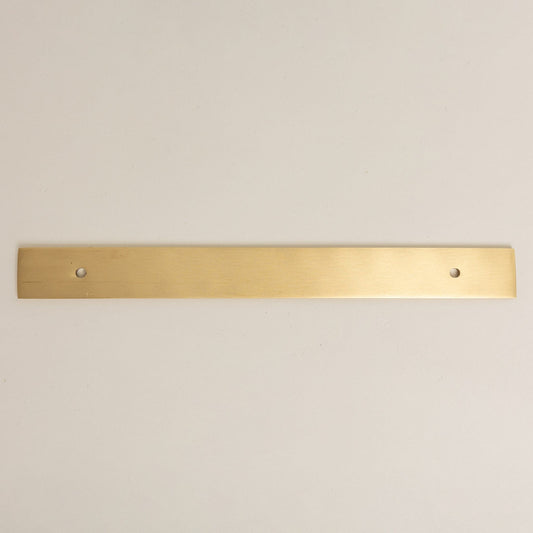
Brass Backplate - Satin Brass 128mm/160mm hole to hole handles
Brass Backplate - Satin Brass 128mm/160mm hole to hole handles
Vendor:Brass bee- Regular price
- From £6.00
- Sale price
- From £6.00
- Regular price
-
-
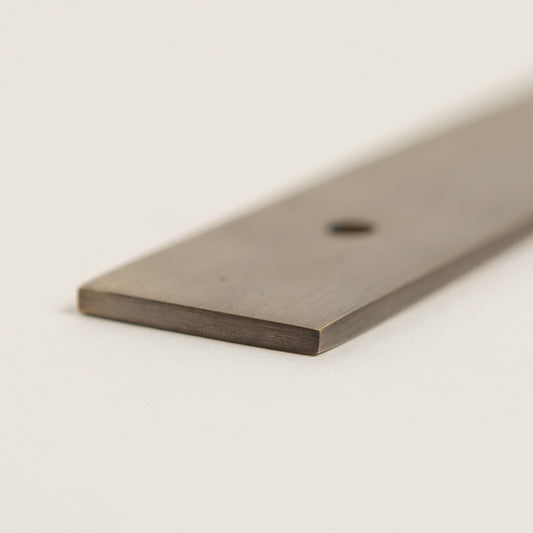
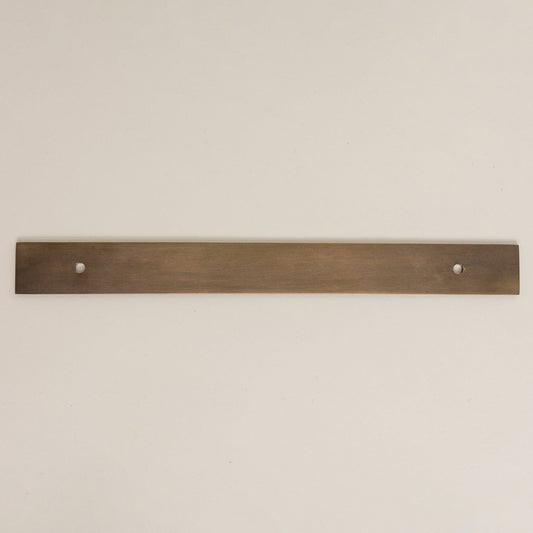
Brass Backplate - Antique Brass 128mm/160mm hole to hole handles
Brass Backplate - Antique Brass 128mm/160mm hole to hole handles
Vendor:Brass bee- Regular price
- From £6.00
- Sale price
- From £6.00
- Regular price
-
-
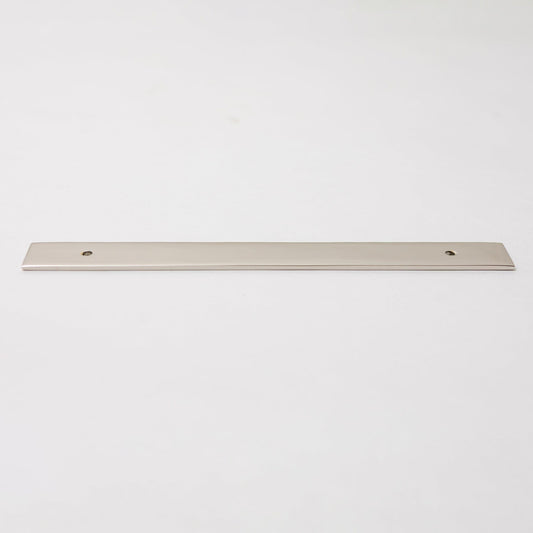
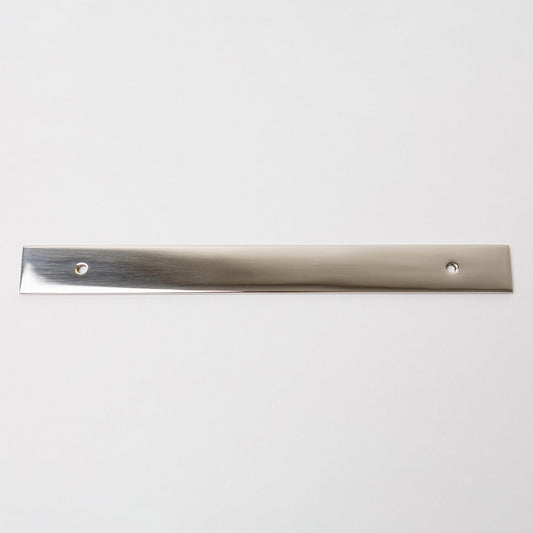
Brass Backplate - Nickel 128mm/160mm hole to hole handles
Brass Backplate - Nickel 128mm/160mm hole to hole handles
Vendor:Brass bee- Regular price
- From £6.00
- Sale price
- From £6.00
- Regular price
-
Backplates FAQ's
1. Why would I need multiple backplates?
2. Can I mix backplate styles in one room?
3. Do all knobs and handles need backplates?
4. How do I choose the right backplate size?
5. Can backplates be used without knobs?
Get 10% off and exclusive styling ideas
By pressing the button “Subscribe”, you confirm that you have read and are agreeing to our Terms of use regarding the storage of the data submitted through this form.