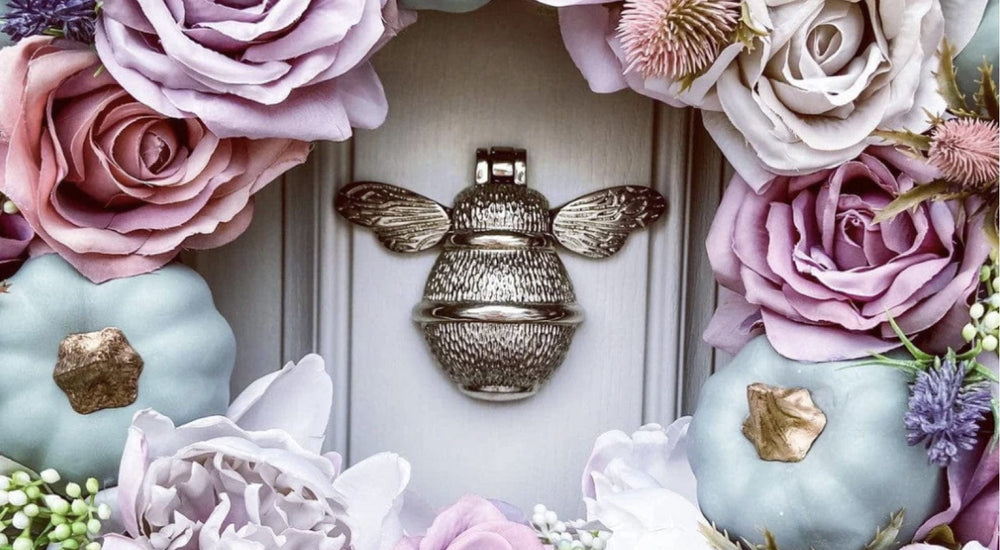
From Front Door to Back Room: Designing a Complete Hardware Flow with Brass Bee
Most hardware decisions are made in isolation. A handle catches your eye online. A cabinet knob looks right in the shop. You choose a set of switches because they're in stock and the kitchen needs finishing. Each decision feels reasonable in the moment. Assembled together across a home, they can tell a rather disjointed story.
Whole home brass hardware design works differently. It starts with a single question: how do you want your home to feel, from the very first point of contact to the furthest room at the back? Answer that, and the individual decisions become much simpler. The finish is already chosen. The visual language is already established. Everything else is just following the thread.
Here's how to follow it, room by room.
First: What Is Hardware Flow and Why Does It Matter?
Hardware flow is the principle that the fittings across a home should feel related to one another, connected by a shared finish, scale, or material, so that moving from space to space feels natural rather than jarring.
It's not about uniformity. A front door knocker and a bedroom drawer pull don't need to be identical. They need to feel like they belong to the same home. When they do, something shifts. Rooms that might otherwise feel like separate design projects begin to read as parts of a considered whole. The home gains a sense of authorship.
When hardware flow is absent, the opposite is true. Spaces feel assembled rather than designed. And no amount of carefully chosen furniture or paint quite resolves it.
Start at the Front Door
Hardware flow begins before you've set foot inside. The front door is the opening sentence of your home's design story, and the hardware on it sets the tone for everything that follows.
A door knocker, letter plate, and handle in a consistent finish communicate warmth, character, and intention from the outset. Choose a finish here that you're prepared to carry through the home: antique brass for warmth and depth, satin brass for a quieter, more contemporary feel, polished brass for something with visual confidence. This is your foundation. Everything flows from it.
Hallways: Setting the Flow in Motion
The hallway is where your hardware choices first have to prove themselves. It's a transitional space, often narrow, always functional, and frequently overlooked in terms of design attention.
This is a mistake. The hallway is the first interior space a visitor experiences, and the first space you move through every single day. Door handles, hooks, and light switches here should echo the finish you've established at the front door. Not replicate it exactly, but speak the same visual language.
Get the hallway right and the flow is already established. The home has a direction. Every subsequent room simply continues the conversation.
Living Rooms: Where Flow Becomes Atmosphere
Living rooms tend to receive the most considered design attention, and hardware should reflect that. Door handles, cabinet pulls, and light switches all contribute to the room's overall finish palette. When they share a reference with the hallway beyond, the space feels continuous rather than compartmentalised.
This is where whole home brass hardware design begins to reveal its full effect. A polished brass cabinet pull that echoes the satin brass handle on the living room door isn't a perfect match. It's a considered relationship. And rooms built on considered relationships feel genuinely different from rooms that aren't.
Kitchens: The Test of Consistency
Kitchens are where hardware flow design faces its greatest challenge. There are more fittings here than anywhere else in the home: cabinet knobs, drawer pulls, switches, sockets, and handles all competing for visual attention in a space that's already busy with appliances, worktops, and cabinetry.
The temptation is to treat the kitchen as a separate design project. We'd encourage resisting that instinct. Connecting your kitchen hardware to the finish you've carried through from the front door is one of the most effective things you can do for the overall coherence of your home. Brass works particularly well here because it pairs naturally with timber, stone, and painted cabinetry without fighting for attention.
Bedrooms and Bathrooms: Bringing It Home
By the time you reach the bedrooms and bathrooms, your decision on the finish should feel almost automatic. The visual language is established. The goal here is quiet consistency: wardrobe handles, drawer pulls, and door fittings that repeat the finish used throughout, creating a sense of calm resolution in spaces built around rest and privacy.
Bathrooms, compact and detail-driven, reward consistency particularly well. A brass towel hook or cabinet pull that shares a finish with the door hardware connects the room to the rest of the home without any further effort. It's a small decision with a very significant impact.
How Suites Simplify the Process
One of the most practical aspects of approaching hardware as a whole-home consideration is that it removes decision fatigue. When you've established a finish direction, each subsequent choice is simply a matter of finding the right piece within that language rather than starting from scratch.
Brass Bee's hardware suites are designed with exactly this in mind. Coordinated pieces across door furniture, cabinet hardware, switches, and sockets that share a finish and a design sensibility, giving homeowners the freedom to move through their home's hardware decisions with confidence rather than doubt.
FAQs
What is hardware flow?
Hardware flow is the principle of connecting fittings across a home through a shared finish, material, or visual language, so that spaces feel related to one another rather than designed in isolation. The result is a home that feels considered from the front door to the furthest room.
How do you design a whole-home hardware plan?
Start by deciding on the finish at the front door and carry it inward. Identify the spaces that connect, hallway to kitchen, living room to bedroom, and ensure the hardware in those areas shares a common visual reference. Treat each room as part of the larger story rather than a standalone project.
Should finishes remain consistent?
Consistent, yes. Identical, not necessarily. The goal is a shared visual language rather than perfect uniformity. Pieces from the same finish family will feel related even when their forms and functions differ.
How do suites simplify decisions?
By removing the guesswork. When hardware is designed to work together across categories, every subsequent decision becomes a matter of finding the right piece within an established language rather than starting fresh. The result is a more confident, coherent home with considerably less effort.
Final Thoughts
A home designed with hardware flow in mind feels different to one without it. Not dramatically, not obviously, but in the way that well-considered things always feel. Coherent. Intentional. Complete.
At Brass Bee, whole home hardware design is precisely what we've built our collections around. Not individual pieces for individual rooms, but a connected range designed to travel with you from the front door to the back room, making every space feel like part of the same considered whole.
Explore the full Brass Bee premium brass hardware collection and discover how hardware flow design can bring clarity, cohesion, and quiet confidence to every room in your home.