There's a particular kind of afternoon that arrives every summer unexpectedly, when for once, the home feels genuinely connected to the world outside it. While the doors remain open, the garden is doing what it does best, and the light moves between the kitchen and the terrace as though the two spaces were never separate.
Getting that feeling right is purely a finishing project. And in our experience, the hardware gets the least attention when the spaces where inside meets outside are the ones that offer the most.
The Spaces Nobody Finishes Properly
The shift toward indoor-outdoor living in UK homes is an enduring evolution. Remote working drove a 22% increase in searches for properties with garden offices and dedicated outdoor spaces, and that appetite for connected, functional outdoor rooms hasn't slowed since. Garden rooms, orangeries, boot rooms, and back hallways are now serious design projects structurally, at least. The hardware rarely receives the same consideration.
That's the gap we find ourselves thinking about most. These threshold spaces, where muddy boots meet oak floors, where wet coats land after a morning in the garden, where the back door becomes the most-used entrance in the house from May to September, are touched and passed through more than almost any other part of a home. They're designed with care and finished in a hurry, and it shows.
Our view is simple: garden-adjacent spaces deserve exactly the same hardware attention as any other room. The finish direction that carries a hallway or a kitchen should also carry a boot room. Nature-inspired home hardware, chosen with the same intention as everything else, is what makes these spaces feel resolved rather than merely functional.
Hardware That Bridges Inside and Outside
Brass sits particularly well in outdoor-adjacent spaces, and there's a reason for that. It shares a material language with the things gardens are made of, aged timber, stone, the warm tones of terracotta and rattan. Where chrome or brushed steel can feel clinical against these materials, brass belongs. It doesn't fight the palette; it completes it.
Our garden collection is built around this idea, garden brass hardware designed for the homeowner who wants the spaces around the back door to look as considered as the spaces beyond it.
The welly stand is a good example of what this means in practice. Boot storage is one of those functional problems most people solve badly by the back door, a plastic rack that doesn't belong in a house that has been carefully put together everywhere else. A well-made welly stand changes the conversation. It signals that even the utilitarian corners have been thought about, which is a different thing entirely from a space that's merely tidy.
The coat hook collection works on the same principle. A boot room without good hooks isn't really a boot room; it's a corridor with good intentions. Solid brass hooks with genuine design detail do what good hardware always does: they contribute to the space rather than just occupying it. Hung with a consistent finish, they bring the same quiet coherence to a back hallway that well-chosen handles bring to a kitchen.
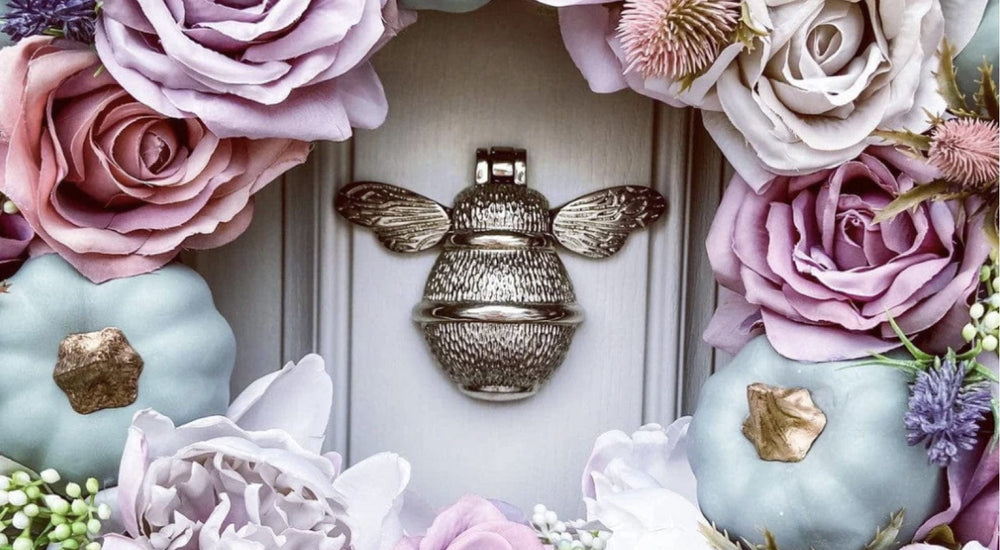
And then there is the butterfly door knocker. If the front door sets the tone for arrival, the back door, which in most homes with a garden becomes the primary entrance through the summer months, is an opportunity most homeowners leave entirely unconsidered. The butterfly design works particularly well here: nature-inspired without being obvious, distinctive without drawing attention away from the surroundings. It is the kind of piece that earns a quiet second look from anyone who notices it.
Getting the Details Right
The finish direction matters the most if you are finishing a garden room, orangerie or boot room this summer. Whatever you have established inside the home, heritage brass, satin, antique, bring it through as the hardware that stops at the back door creates a visual full stop where a continuation is expected. The outdoor brass fittings that work best in these spaces are those that feel connected to everything they connect to.
The second thing worth remembering is that utility is not a reason to compromise. Boot rooms are high-traffic, high-use spaces, which means every hardware decision in them is experienced constantly. A well-made hook or a considered welly stand earns back its cost in daily use in a way that a decorative piece in a low-traffic room simply cannot.
Finally, think about these spaces across all seasons. A garden room or orangerie designed solely for summer will feel slightly out of place in October. The hardware choices made now, the finishes, the pieces, the details will still be there in January.
Outdoor & Garden FAQs
Can brass hardware be used outdoors?
Yes, with the right finish and a degree of common sense about positioning. Brass performs well in sheltered outdoor positions, a covered back-door entrance, a garden-room threshold, and a boot room that opens onto a terrace. For fully exposed positions, a lacquered finish provides more protection against the elements. For covered or partially sheltered areas, unlacquered brass is well-suited and develops character with use over time.
How does brass weather over time?
Unlacquered brass develops a natural patina, a gradual deepening and darkening of tone that many homeowners consider part of the material's character rather than a sign of wear. Lacquered brass maintains its original finish for longer. Both are entirely valid choices; the question is simply whether you want a piece that stays consistent or one that ages alongside the home it belongs to.
What brass pieces suit garden rooms and orangeries?
Door knockers, coat hooks, cabinet hardware and utility fittings all work well in garden rooms and orangeries. These spaces tend to have a natural material palette, timber, stone, rattan and brass sit comfortably within that language without competing with it. The most important consideration is that the finish chosen matches the hardware used elsewhere in the home, so the garden room feels connected to the house rather than separate.
How do I protect outdoor brass from tarnishing?
For brass used in outdoor-adjacent positions, occasional cleaning with a soft cloth and mild soapy water is generally sufficient. For unlacquered pieces where you'd prefer to slow the patina, a thin application of brass polish, followed by a clear protective wax, applied once or twice a year, will help. The most practical step is to position brass in a covered or sheltered location, which requires far less maintenance than exposed brass in standing moisture or direct weather.
The Threshold Deserves as Much Thought as the Room Beyond It
The spaces that connect our homes to our gardens are among the hardest-working in the house and among the most overlooked when it comes to finishing hardware. They deserve the same considered approach as any other room or garden, with brass hardware chosen with intention rather than added at the last minute.
Browse our garden collection and find the outdoor brass fittings that finish every corner of your home.